Information about last editions
Genera 2026
Next edition of the International Week of Electrification and Decarbonization (GENERA + MATELEC): November 24–26, 2026, at IFEMA MADRID.
Genera 2025
It was held November 18–20, 2025, at IFEMA MADRID, with GENERA integrated into the International Week of Electrification and Decarbonization (GENERA + MATELEC) and co-located with C&R.
What is Genera?
If you work in renewables, energy efficiency, electrification, decarbonization solutions, or technical services related to the energy sector, GENERA is one event you’ll want clearly marked on your calendar. Not just for visibility, but because it brings together a highly qualified professional audience focused on projects, specification, and purchasing decisions.
This guide is not about “this year’s edition.” The goal is to give you a practical, evergreen resource: what GENERA is, the kind of audience it attracts, how to participate as an exhibitor, which processes are typically required at IFEMA, and—most importantly—how to approach your booth in a way that generates business before, during, and after the show.
As a reference point, IFEMA publishes official data and resources (Expo Zone, documentation, press releases, and more) that are updated with each edition. Here, we explain how to use all of that to plan strategically and avoid last-minute decisions.
What GENERA Is and why it matters in the energy sector
GENERA is a professional trade show focused on energy and the environment, held at IFEMA MADRID. Its core focus is the energy transition ecosystem—technologies, solutions, services, and suppliers that are driving a more efficient, electrified, and sustainable energy model.
One of its key strengths is the audience it attracts. According to the official website, attendees include consultancies, engineering firms, construction and trade companies; industrial energy users; equipment manufacturers and distributors; installers and maintenance providers; project developers; universities and research centers; real estate specifiers; and public administrations, among others. In short, the event brings together a high concentration of technical decision-makers and influencers.
From a sector positioning standpoint, IFEMA has also launched initiatives in recent years that link GENERA with other trade shows and content related to electrification and decarbonization, along with dedicated spaces such as the Innovation Gallery. For exhibitors, this translates into a higher density of relevant visitors and more opportunities to schedule meetings, attend forums, and take part in technical sessions.
Who should exhibit at GENERA
Exhibiting isn’t about simply “being there.” It’s about selling—or building a qualified pipeline—with a plan. That’s why, before thinking about square footage, it’s important to see how your offering fits into one of these common exhibitor categories:
1) Manufacturers and technology brands
Equipment, components, solutions, and systems related to renewables, energy efficiency, electrification, storage, digitalization, and more. These companies typically look for distribution partners, installation partners, and specifiers.
2) Engineering firms, EPCs, developers, and project promoters
If your business focuses on the development, execution, or operation of energy projects, GENERA gives you direct access to real suppliers and real clients—the ones actively comparing solutions and requesting proposals.
3) Installation, maintenance, and energy services
Direct contact with manufacturers, wholesalers, new technologies, and a professional audience is one of the event’s strongest advantages. The trade show enables technical conversations that would otherwise drag on endlessly over email.
4) Software, monitoring, IoT, and digital solutions
With a technical audience, messages land better when they’re concrete and practical: dashboards, analytics, predictive maintenance, consumption optimization, and similar use cases.
IFEMA’s own materials emphasize that GENERA is a professional event designed to showcase technologies, products, and services. The exhibitor profile includes renewable energy companies, technology manufacturers, efficiency solution providers, consulting and engineering firms, sustainable construction players, startups, and project developers.
Recent Figures
To understand GENERA’s real scale and set realistic lead-generation expectations, the most useful approach is to rely on the latest official wrap-up published by IFEMA. For 2025, the organizer summarized the most recent edition with 35,000 professional visitors, 402 exhibitors, and representation from 63+ countries.
These figures have also been echoed by industry organizations (for example, AEE), which likewise cite more than 35,000 professionals, 402 exhibitors, and 63 countries, along with a strong volume of technical sessions. That provides a solid secondary reference to reinforce the numbers.
Visitor and exhibitor profile: the kind of conversations you can expect
One of GENERA’s key advantages is that, by definition, it is a professional environment. According to the official website, visitors attend to discover technologies, products, and services, and to build contacts and collaborations within the sector.
In practice, this usually translates into three types of conversations:
-
Technical comparison: “I have this specific case—how would you solve it?”
-
Specification and decision-making: “I’m designing, tendering, or choosing a supplier.”
-
Channel development: “I want to add new solutions to my portfolio.”
If your value proposition is clearly defined—what you solve, for whom, how quickly, and with what proof—GENERA is a trade show where generating qualified meetings is relatively straightforward. In this context, the booth isn’t decoration; it’s a sales tool.
Frequently Asked Questions about GENERA
It’s a good fit if your solution sits somewhere along the energy and environmental value chain—renewables, energy efficiency, energy services, installation and maintenance, digitalization, and more. The official event description explicitly includes professionals and companies related to both energy efficiency and renewable energy, along with a wide range of technical profiles.
IFEMA centralizes exhibitor management through the Expo Zone, where all procedures, deadlines, passes, invitations, and service bookings are handled.
It’s designed to extend the event experience: browsing exhibitors, networking, scheduling meetings, and managing leads and follow-ups. When used effectively, it helps you arrive with meetings already on your calendar and wrap up post-show follow-up in a structured way.
At a minimum, review the general participation rules, exhibitor safety guidelines, and the sustainable participation guide. This will help you avoid common issues during setup and dismantling, and plan ahead for waste management, materials, and energy use.
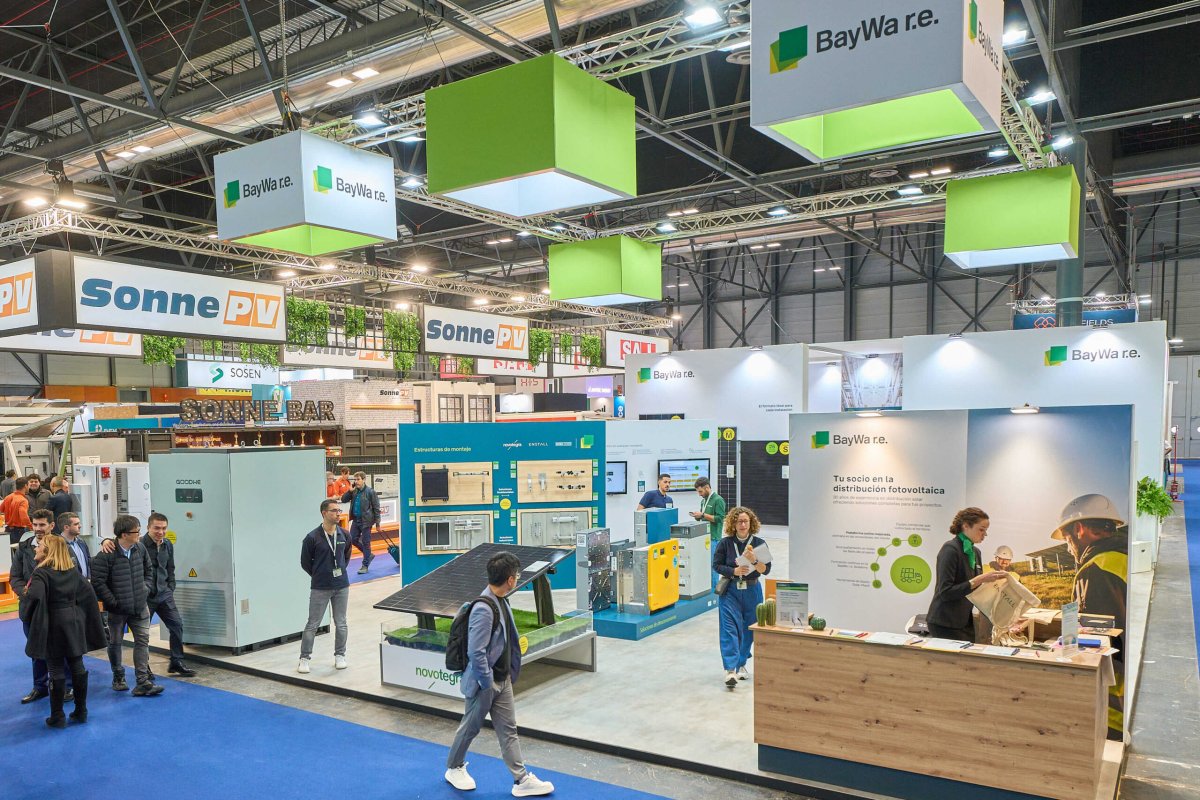
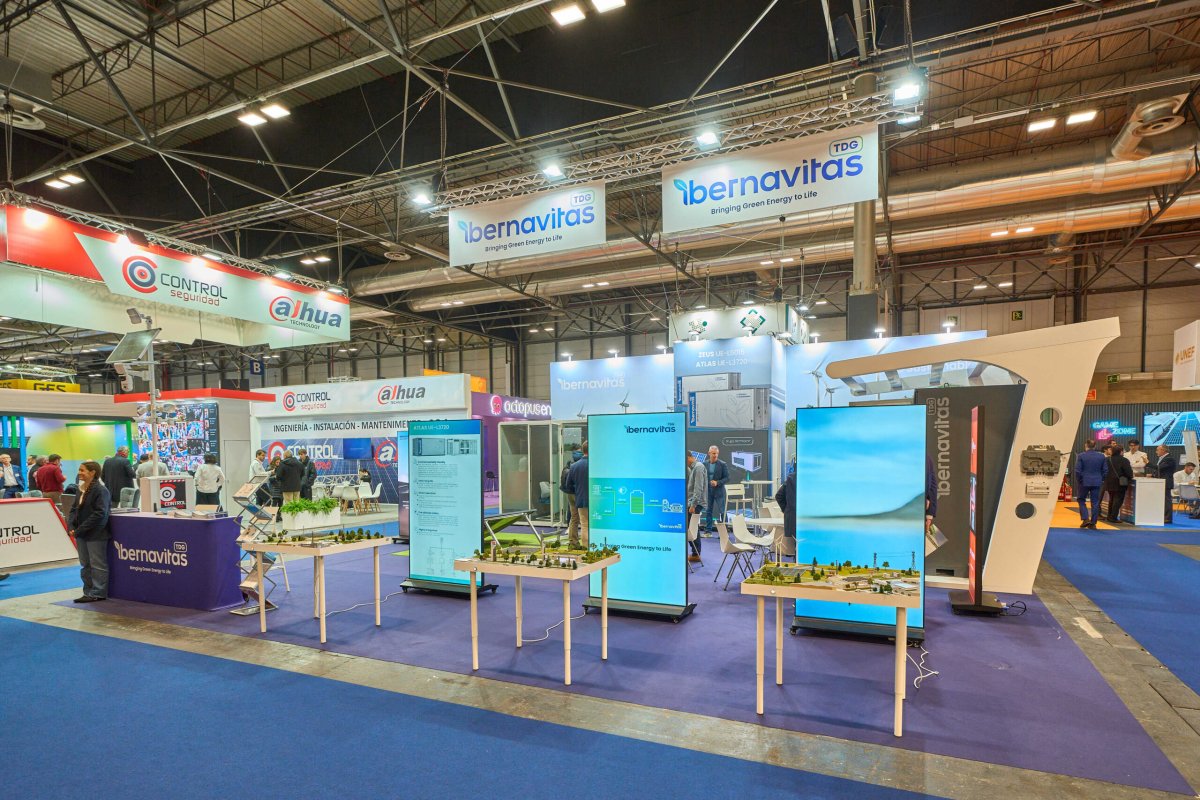
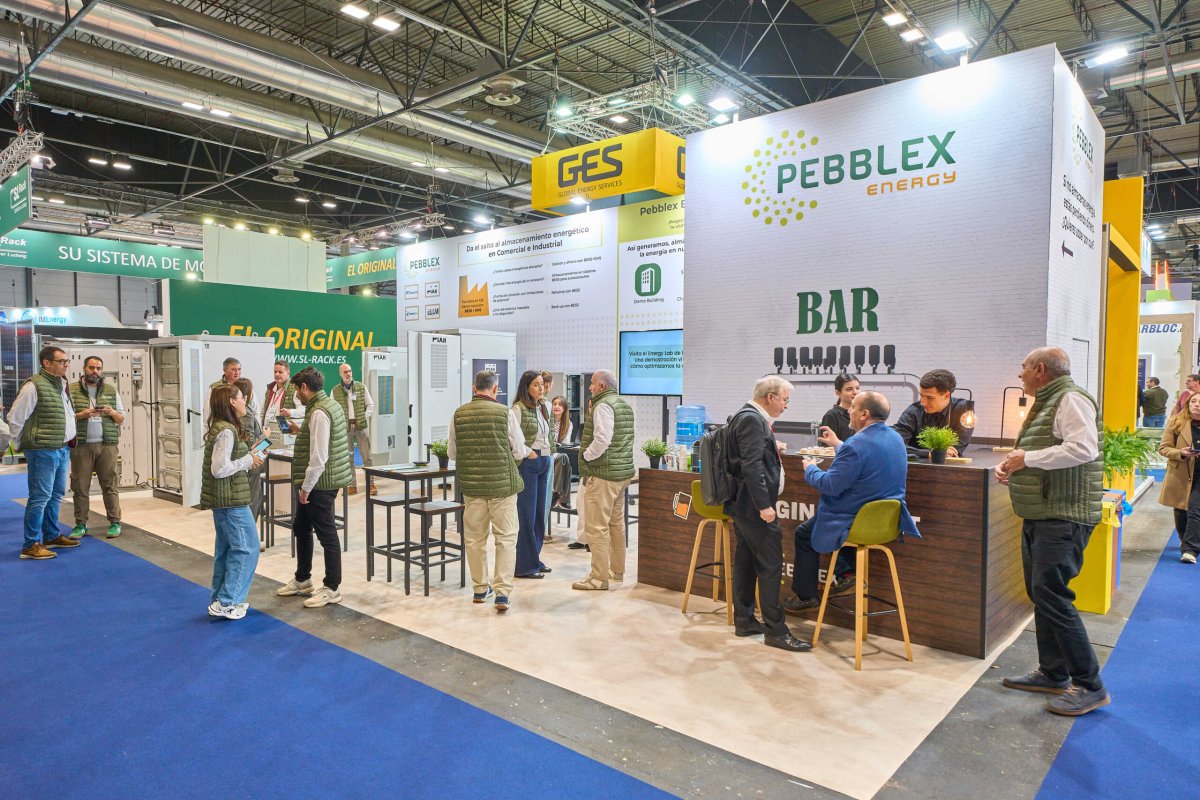
Examples of booths at Genera and Matelec
Do you need help managing your exhibition stand?
We’re here to make sure everything runs smoothly.
Let us know what you need, and we’ll get started right away.

Our services
Contact
ISO 9001 and 14001 certified
Certified for CO2 offsetting
Eventsoft certified

AFE Seal (Recommended supplier)