
Sustainable exhibition stands: Are they the future of trade shows?
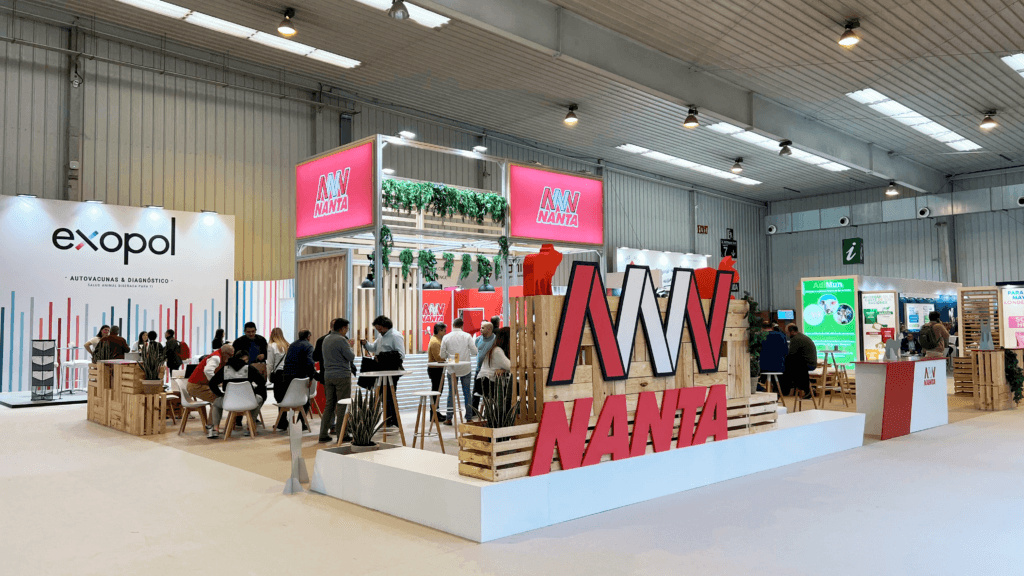
Sustainable exhibition stands | How to set one up for your trade show Sustainability is a key topic in today’s world, and companies taking part in trade shows and events are increasingly looking for environmentally responsible solutions. At Servis, we understand this need and offer sustainable exhibition stand designs that blend creativity, visual impact, and a strong commitment to the environment. Table of contents In this article, we’ll dive into what a custom-designed exhibition stand is and how it can help you stand out at trade shows and events. We’ll look at how it differs from modular stands and standard packages, as well as the benefits of choosing a custom or hybrid design. We’ll also break down the most commonly used materials—including modular options to help reduce costs and simplify setup—and walk you through the step-by-step process of creating a stand that’s visually appealing, functional, and aligned with your brand identity. What makes an exhibition stand sustainable? A sustainable exhibition stand is one that’s designed to minimize its environmental impact at every stage—from material selection to dismantling and potential reuse. Key features typically include: Use of recycled and recyclable materials: Such as FSC- or PEFC-certified wood, reusable aluminum, and displays made from recycled fabrics. Modular and reusable designs: Assembly systems that make it easy to take the stand apart and use it again at future events. Energy-efficient lighting: Incorporating low-consumption LED technology to cut down on energy use. Waste reduction: Sorting materials and reusing components like carpets and structural elements whenever possible. Local production and efficient transport: Lowering the carbon footprint by working with nearby suppliers. Benefits of sustainable exhibition stands 1. Strengthen brand image Today, sustainability is a key differentiator. An eco-friendly exhibition stand sends a clear message of environmental commitment and corporate responsibility. 2. Long-term cost reduction Using reusable structures and recyclable materials helps cut costs for future trade shows and events. 3. Standout appeal and visitor engagement Attendees appreciate companies that are committed to sustainability, which can lead to increased interest and foot traffic at your stand. How to create a sustainable exhibition stand 1. Planning and material selection From the very beginning, it’s important to choose materials that are recycled, recyclable, or reusable, while avoiding single-use options. Material selection should also take into account their origin—look for sustainability certifications like FSC or PEFC when using wood. It’s also wise to assess the durability of materials to extend their lifespan and reduce the need for frequent replacements. Additionally, planning should consider the environmental impact of the production process itself. Opting for low-carbon-footprint materials from local suppliers helps cut down on transportation and associated emissions. 2. Optimized setup and dismantling A modular exhibition stand can be reused across multiple events, helping to avoid unnecessary waste. These systems allow for flexible, customized designs without compromising sustainability, as they can be dismantled and reassembled with minimal material loss. To optimize this process, it’s best to design structures that require little to no adhesives or disposable elements during assembly. Choosing reusable fastening systems and lightweight, easy-to-transport materials also helps lower logistics costs and reduce waste. 3. Efficient energy use Choosing LED lighting and optimizing electricity use helps reduce energy consumption during the event. In addition to using energy-efficient LED bulbs, you can incorporate motion sensors and timers to prevent unnecessary energy use when the stand isn’t in operation. 4. Waste reduction and recycling Implementing waste management systems within the stand helps minimize waste generation and ensures proper disposal. It’s a good idea to provide separate bins to make it easy to sort recyclable, organic, and non-recyclable materials. Conclusion: The future of events has to be sustainable Future events need to align with sustainable practices to reduce their environmental impact without compromising effectiveness. Sustainability isn’t just a passing trend—it’s a necessary shift that’s changing how we interact with spaces and engage with attendees. Choosing responsible materials, energy efficiency, and waste reduction is key to making a meaningful difference. If you’re looking to bring sustainability into your events, starting with an eco-friendly exhibition stand is a great first step. At Servis, we can help you develop sustainable solutions without sacrificing design or innovation.
Waste generation at events
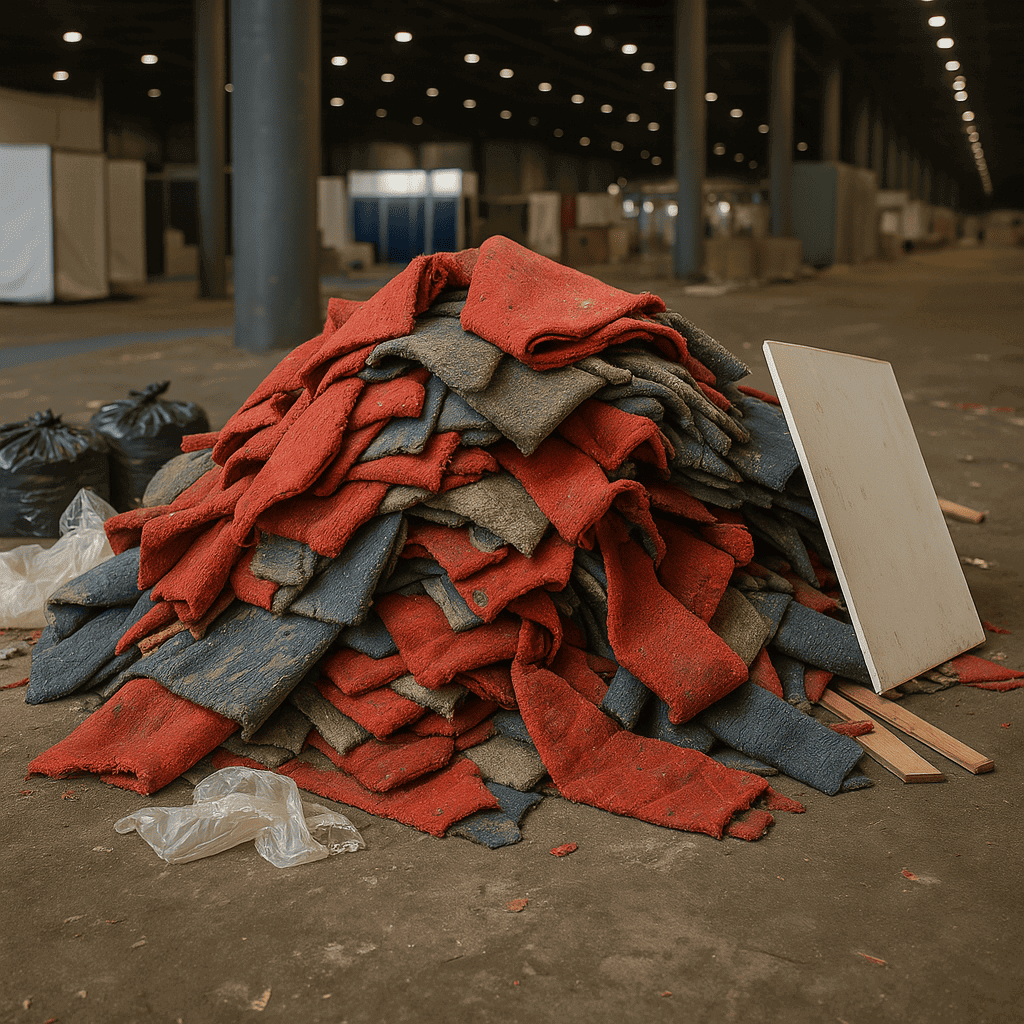
Waste at events: An urgent challenge for sustainability When we think about the impact of an event, we usually picture the buzz, the booths, the lighting, or the technical setup. But we rarely think about what’s left behind. The truth is, the events industry—from trade shows to corporate meetings—has historically been a major source of waste. Table of contents In this article, we take a closer look at the environmental impact of events and how to manage it responsibly. We explain why most waste is generated during teardown, and how a proactive approach to material planning—along with well-organized waste sorting—can make a real difference. A problem that goes beyond the event Waste generated at an event can easily exceed expectations—especially when large amounts of single-use materials are involved. That’s why one of the biggest challenges in event planning is factoring in sustainability from the very start. How? It comes down to two key strategies: 1. Proactive Material Planning These days, sustainability is a key differentiator. An eco-friendly booth sends a clear message: your company is committed to the environment and takes corporate responsibility seriously. Before any construction begins, it’s crucial to evaluate the materials you plan to use. That means identifying which options are eco-friendly, which ones can be reused or recycled, and which should be avoided altogether. It’s also important to work with suppliers who share a common environmental policy. Choosing the right partners from the start is essential—when everyone involved shares the same values, it’s much easier to make sustainable decisions right from the design phase. And it’s during the design phase that you can make the biggest impact. Choosing materials that are reusable or recyclable not only cuts down on waste but also makes it easier to calculate the event’s carbon footprint later on. 2. Proper Waste Management Just as important as prevention is knowing how to handle the waste that will inevitably be generated. That’s where a clear and effective waste-sorting policy comes into play: Make use of the venue’s waste containers whenever available. If not, set up your own waste management system at the supplier’s facilities. Nowadays, there are waste management companies that specialize in materials like wood, aluminum, or carpet. They collect the leftover materials and turn them into reusable resources—such as particleboard, secondary aluminum, or recycled plastic pellets. A Real Commitment from Companies This entire process requires a strong, genuine commitment from companies. Sustainability in events isn’t just a trend or a “nice to have”—it’s a necessity. Embracing responsible practices: Helps protect the planet Strengthens the organizer’s reputation Creates more meaningful, lasting experiences At Servis, we know this firsthand: sustainability starts with planning. Every decision we make has an impact. That’s why we approach each project with respect, realism, and a clear focus on leaving a positive mark in every way.
Tips and uses of wood in tradeshows and events
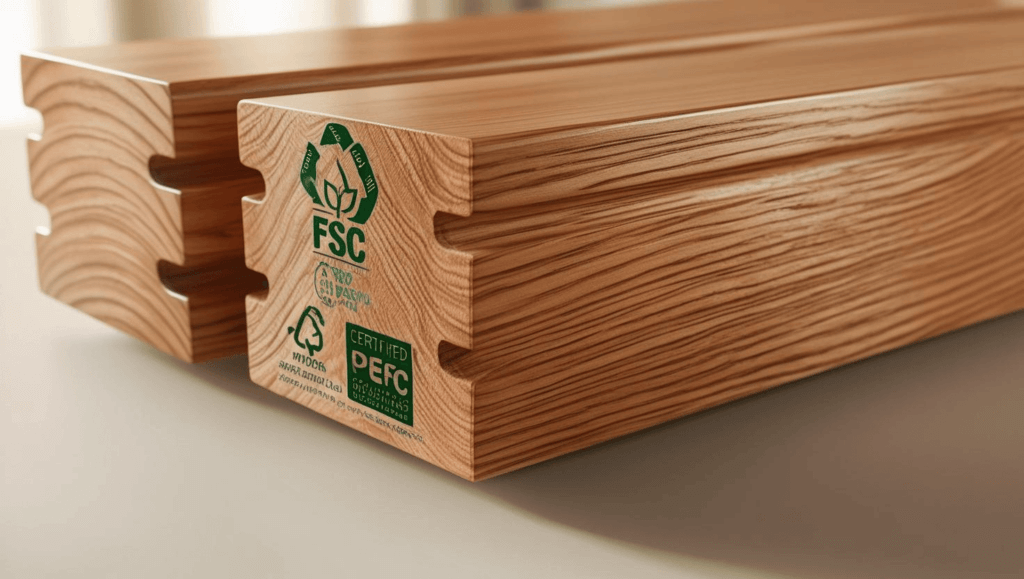
Sustainable wood: tips and uses in events and trade shows Wood is an essential material for building stands, stage designs, and temporary structures in the trade show industry. However, its extraction and use can have a significant environmental impact if not managed properly. In this article, we explore best practices for using wood responsibly at fairs and events, maximizing its durability and minimizing waste Table of contents In this article, we’ll discuss how to use wood responsibly at events and trade shows by choosing certified materials, reusing structures, and exploring sustainable alternatives. We’ll also look at ways to reduce environmental impact through modular solutions and proper waste management, ensuring greener and more efficient event spaces. Tips for responsible wood use in events 1. Choose certified wood Choose materials with certifications like FSC (Forest Stewardship Council) or PEFC (Programme for the Endorsement of Forest Certification), which ensure responsible forest management. 2. Reuse and recycle wood at trade shows Before discarding wood used at an event, consider giving it a second life: Reuse it for new stands or furniture at future trade shows. Repurpose it into panels, coverings, or decorations. Donate it to social or artistic projects. 3. Replace traditional carpentry with modular solutions Reusable aluminum systems and other modular materials can replace temporary structures at events and trade shows, reducing waste. 4. Use recycled wood or eco-friendly alternatives Choose alternative materials such as: Recycled wood: Sourced from furniture and structures used in previous events. Chipboard and melamine panels: Made from compacted wood waste. Innovative materials: Like Everblock, which combines recycled plastics with natural fibers. 5. Properly manage wood waste at events To minimize environmental impact, follow these practices: Separate wood waste to make recycling easier. Avoid toxic varnishes and paints that hinder reuse. Partner with certified waste management companies to ensure proper disposal. Benefits of using sustainable wood at trade shows and events Using sustainable wood at trade shows and events offers multiple benefits: Renewability: When sourced from responsibly managed forests, wood is a renewable resource that supports forest conservation. Lower CO₂ emissions: Its production generates fewer emissions compared to materials like PVC or aluminum, reducing the event’s carbon footprint. Versatility and aesthetics: Wood adds warmth and elegance to spaces, adapting to various designs and structural needs. Natural insulation: Its thermal and acoustic properties enhance attendee experience by creating more comfortable environments. Conclusions Adopting sustainable practices in the use of wood at trade shows and events is essential for reducing environmental impact and promoting a circular economy. By choosing certified materials, reusing structures, and efficiently managing waste, it’s possible to create attractive spaces while being environmentally responsible. Implementing these strategies not only benefits the planet but also strengthens the eco-friendly reputation of businesses and organizations in the trade show industry.
How to Use sustainable carpeting at events?

How to use sustainable carpet at events In the event industry, carpet is a widely used element to enhance the aesthetics and functionality of spaces. However, its mass use generates a significant environmental impact due to waste and the difficulty of recycling certain materials. Table of contents Carpet is an essential element in events, but its environmental impact is considerable. To reduce it, it is key to opt for recyclable materials, avoid those containing PVC or latex, and promote reuse and donation. Proper waste management and optimizing its use in spaces are also important. Sustainable options exist, such as latex-free carpets, reusable carpet tiles, or those made from natural fibers. With the right choice of materials and responsible suppliers, it is possible to create aesthetically appealing events without compromising the environment. Tips to reduce the environmental impact of carpet Avoid non-recyclable carpets Opt for carpets made from recyclable materials and avoid those containing latex or PVC. These materials are difficult to recycle, and their decomposition in landfills can take decades, contributing to soil and water pollution. 2. Reuse and donation Whenever possible, reuse carpets for other events or donate them to organizations that can give them a second life. Some associations specialize in textile recycling projects, transforming carpets into products like bags, rugs, or even thermal insulation. Examples include: Proyectos Extraordinarios – Converts carpets and other materials into reusable products like bags and backpacks while providing employment opportunities for women at risk of social exclusion. Fundació Formació i Treball – A charity-driven organization supported by Cáritas that receives material donations for reuse and recycling. Centre Sant Martí – Transforms event materials into new textile products while offering training for people in vulnerable situations. This practice not only reduces waste but also promotes the circular economy and social inclusion. 3. Proper waste management Properly sort carpet waste into specific containers and ensure it is processed by specialized waste management companies that can convert it into reusable materials, such as granules or industrial-use oil. It is also essential to collaborate with suppliers committed to recycling and reusing these materials. 4. Optimize carpet usage In some cases, the covered surface can be reduced without compromising the event’s aesthetics, which decreases material consumption and waste generation. Efficient planning and the strategic use of carpet in key areas can help minimize its environmental impact. Do you have questions about your participation in a trade show? Get our free consultation! Sustainable carpet resources and suppliers To facilitate the transition toward more sustainable carpet management, here are some resources and suppliers offering eco-friendly solutions: Recyclable Exhibition Carpet – Used in trade shows and events, later transformed into granules for making products like bags, backpacks, or even trash bins. Latex-Free Carpet – Fully recyclable with a low environmental impact. Modular Carpet Tiles – Do not require adhesives and can be reused across multiple events. Their modular format allows replacing only damaged sections instead of the entire surface. Recycled Artificial Grass – A sustainable alternative for large-scale events. This material is not only recycled but also durable and easy to maintain. Natural Fiber Carpet – Made from biodegradable materials like jute or wool, significantly reducing environmental impact and offering an eco-friendly alternative to synthetic carpets. Conclusions Sustainability in events is not an option but a necessity. Responsible carpet management is a key step in reducing the environmental impact of the industry. By applying these tips and choosing recyclable and reusable materials, we can move toward a more sustainable model without compromising quality and professionalism in the design of our spaces.